
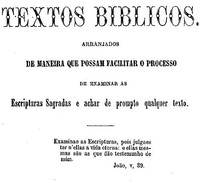
Textos biblicos by Anonymous
Let's be clear from the start: 'Textos bíblicos' isn't a religious text. It's a book about a book. Specifically, it's a deep look at the Bible as a collection of human writings, assembled over a thousand years.
The Story
There isn't a plot in the traditional sense. Instead, the book walks us through the Bible's 'source material.' It introduces us to the J, E, P, and D authors—not prophets or apostles, but anonymous writers scholars have identified by their unique styles and concerns. The 'story' is the reconstruction of their work. We see how the J writer loved a personal, hands-on God, while the P author was all about rituals and priestly order. The book shows how these different voices, along with histories, laws, and poems, were edited together, sometimes awkwardly. You'll see the seams where stories were combined, like two different versions of the creation story placed side-by-side in Genesis. The climax isn't a battle or a revelation, but the moment you realize the Bible is a library, not a single novel, and its compilers were its most powerful authors.
Why You Should Read It
I picked this up out of sheer curiosity, and I couldn't put it down. It doesn't attack faith; it simply pulls back the curtain. The most compelling part is seeing the Bible's humanity. These weren't just holy men transcribing God's dictation; they were writers with agendas, writing for their communities during times of war, exile, and reform. Understanding that the Ten Commandments appear in two different versions, or that the book of Isaiah has at least three major authors, makes the text feel alive and messy in a new way. It turns scripture into a fascinating historical document, full of editorial fingerprints. You start reading it like a literary critic, looking for themes and contradictions, which is a thrilling intellectual exercise.
Final Verdict
This book is perfect for the curious skeptic, the history nerd, or anyone who's ever read a Bible story and thought, 'Wait, that doesn't quite add up.' It's for readers who love a good origin story, especially the origin of ideas. If you want to understand the foundational text of Western culture on a deeper, more scholarly level—without needing a theology degree—this is an incredible place to start. Just be warned: you'll never read the Old Testament the same way again.
This work has been identified as being free of known copyright restrictions. Feel free to use it for personal or commercial purposes.
George Lopez
2 years agoLooking at the bibliography alone, the inclusion of diverse viewpoints strengthens the overall narrative. Thanks for making such a high-quality version available.
Ethan Ramirez
9 months agoI had low expectations initially, however the narrative structure is incredibly compelling. I would gladly recommend this title.
Amanda Flores
8 months agoHaving read this twice, the plot twists are genuinely surprising. Truly inspiring.
William Jones
8 months agoWhile browsing through various academic sources, the language used is precise without being overly academic or confusing. I am looking forward to the author's next publication.