E
Emily Brooks
Guest
- Thread Author
- #1
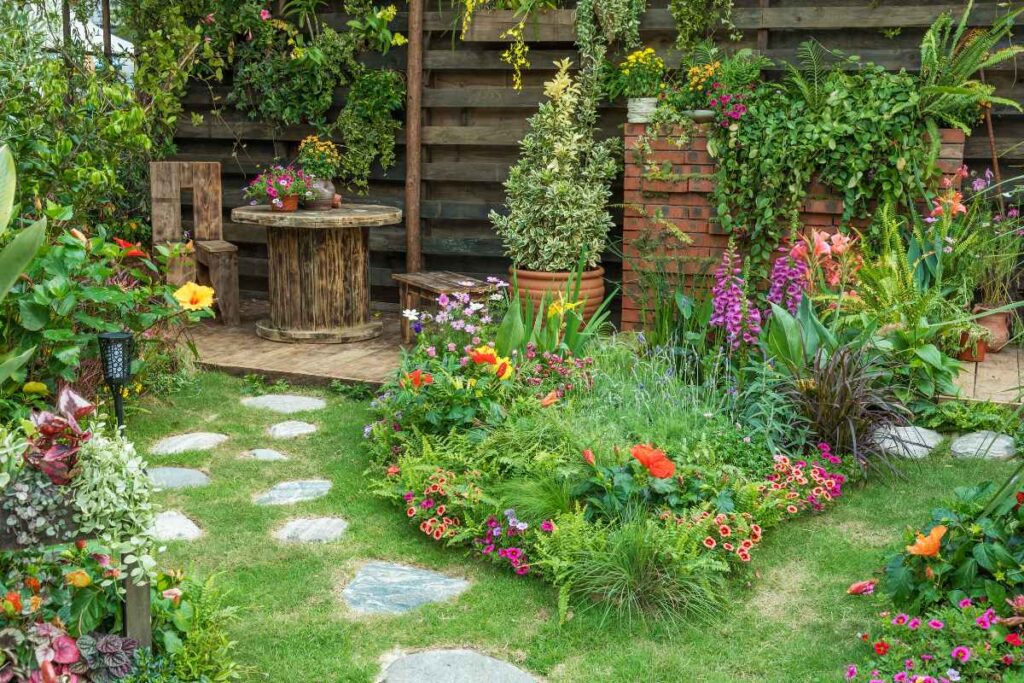
Long, narrow gardens can be surprisingly difficult to design. When the space feels more like a tunnel than a garden, figuring out where paths, planting areas, and focal points should go can quickly become overwhelming.
These narrow garden design ideas focus on simple layout principles that can help you look at an awkward space differently. In the video below, you’ll see how professional design decisions can transform two real-world narrow plots—and, more importantly, why those decisions work.
How to Design a Long, Narrow Garden Without the Tunnel Effect
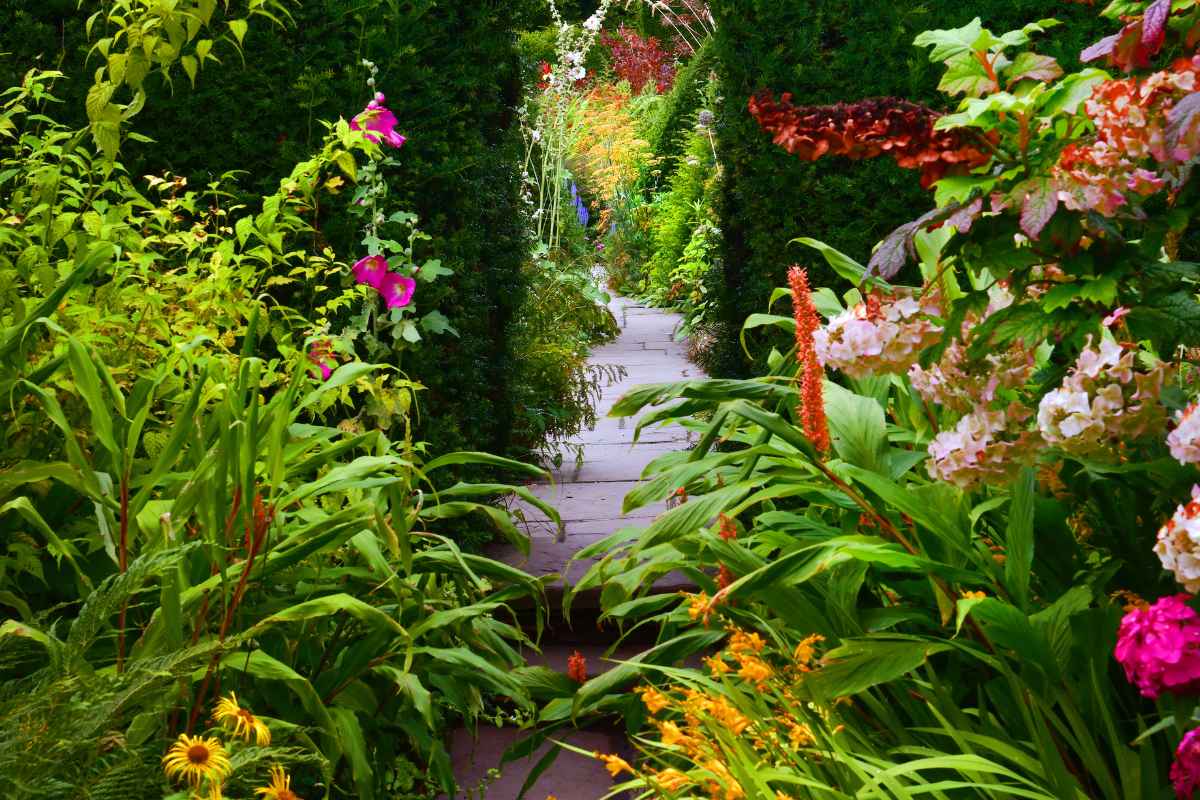
One of the biggest challenges with a long garden is that the eye naturally travels straight toward the end of the space. That can exaggerate its narrow proportions and make the entire garden feel even longer.
A thoughtful layout can help interrupt that visual line. Changing the direction of a path, creating distinct areas, and introducing carefully placed focal points can all encourage the eye to move across the garden instead of straight through it.
The video walks through the reasoning behind these choices rather than simply showing a finished design. That makes it especially useful if you want to understand how to analyze your own garden and decide which long narrow garden layout ideas might work for your space.
5 Narrow Garden Design Solutions and the Thinking Behind Them
A successful narrow garden is not necessarily about fitting more into a small space. It is about using the shape of the garden intentionally.
In this tutorial, you’ll see how different design problems are approached in two narrow plots, including ideas such as adjusting path angles and using vertical elements as visual “punctuation” points. These techniques can help create rhythm, divide the space visually, and make an awkward garden feel more considered.
Pay particular attention to the why behind each design decision. Understanding those principles can make it much easier to adapt the ideas to your own garden rather than trying to copy a layout exactly.

Source: PlantPlots
Using Professional Garden Design Ideas in Your Own Space
As you look at your own garden, consider where your eye naturally travels and which features emphasize its length. Even a small change in direction or the placement of a strong vertical focal point can alter how the space is experienced.
You do not need to recreate the examples exactly. Instead, use the video as a guide for identifying the problem areas in your garden and choosing design ideas that help create better movement, balance, and visual interest.
I hope these narrow garden ideas give you a clearer starting point and more confidence when planning an awkward outdoor space. Sometimes understanding a few simple design principles is enough to see an existing garden in a completely new way.
Happy gardening,
The post 5 Narrow Garden Design Ideas That Make Awkward Spaces Work